Trump Announces Trade Deal with India, Tariffs Slashed After Modi Call

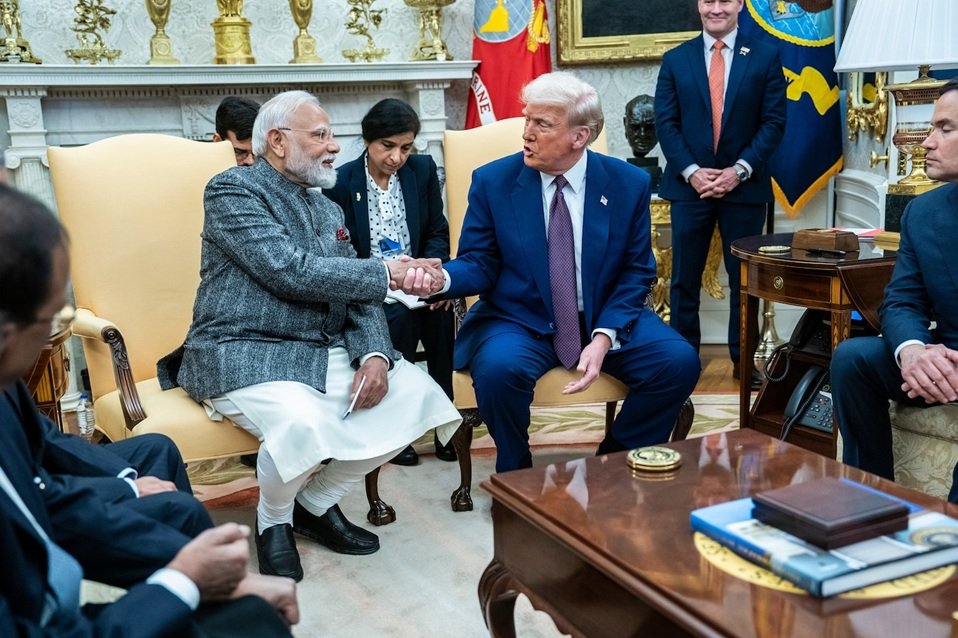
WASHINGTON, Feb 2 (Reuters) – Donald Trump on Monday said he has agreed to a major new trade deal with Narendra Modi that will reshape commercial and energy relations between the United States and India. The announcement came in a social media post after the two leaders spoke by phone earlier in the day.
Under the agreement, the United States will reduce its reciprocal tariff on Indian imports from 25 % to 18 %, effective immediately — a move Trump described as a goodwill gesture “out of friendship and respect” for Prime Minister Modi.
In return, Trump said India has agreed to stop purchasing Russian oil, a decision the U.S. leader linked to broader geopolitical objectives, including efforts to weaken Moscow’s energy revenue amid the ongoing war in Ukraine. India is also expected to increase its energy imports from the United States and potentially from Venezuela.
The announcement marks a significant shift in U.S.–India trade relations, which had been under strain last year when the Trump administration imposed high tariffs — including punitive duties tied to New Delhi’s continued Russian oil purchases.
In addition to tariff cuts, Trump said Modi pledged to buy more than $500 billion worth of U.S. products spanning energy, technology, agriculture and other sectors. The deal is being framed in Washington as a step toward strengthening economic ties between the two nations.
White House officials also confirmed that the broader tariff structure is being adjusted in line with the new agreement, including dropping certain higher levies that had been imposed previously over oil trade issues.
While details of India’s commitments on Russian oil have not been independently verified by Indian authorities, Trump’s announcement underscores the growing role of trade and energy policy in U.S. efforts to align global partners against Moscow’s war effort.