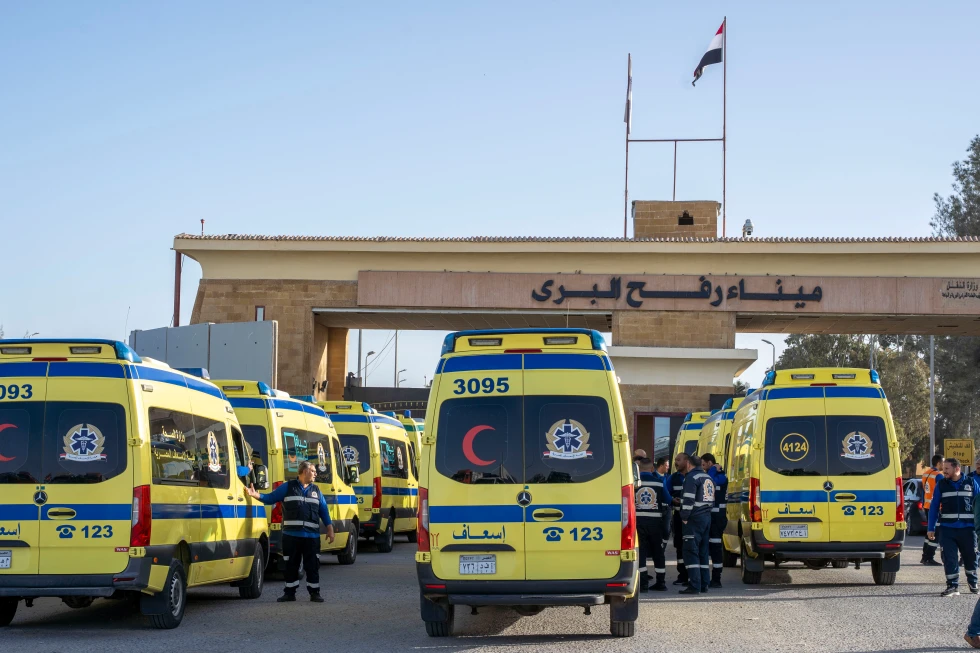
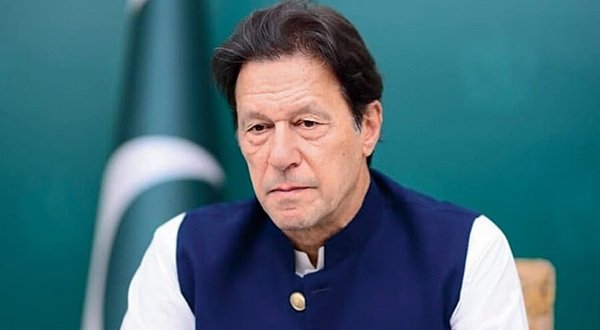
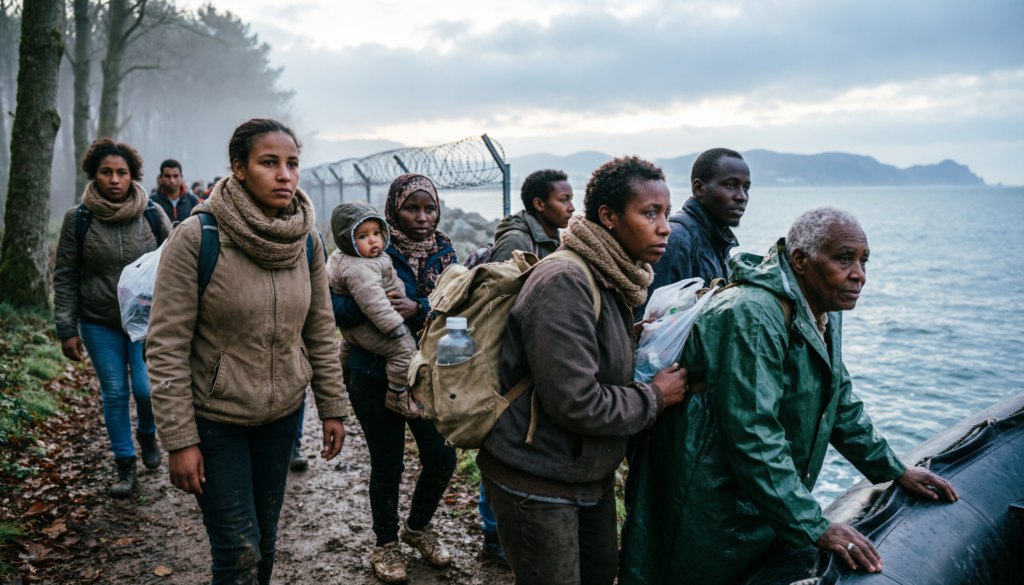
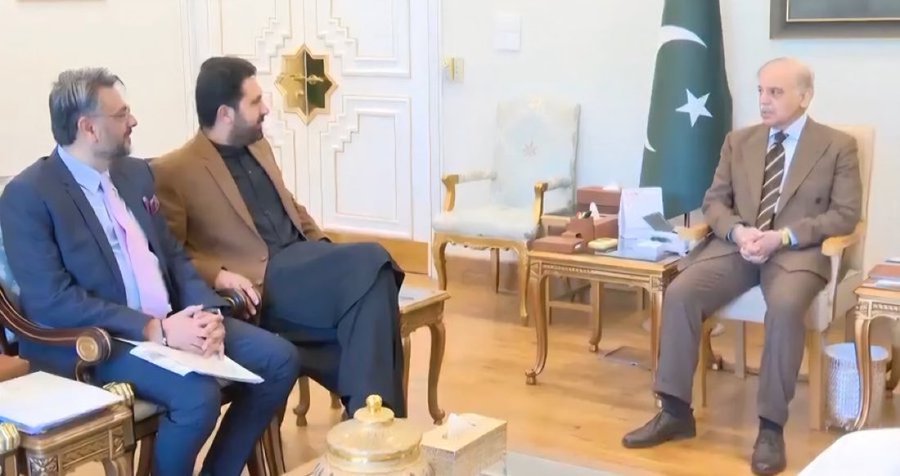
Israel has reopened the Rafah Border Crossing linking the Gaza Strip with Egypt, allowing limited movement of people and humanitarian aid amid ongoing regional tensions. Authorities said the reopening is being carried out under strict controls, with priority given to medical evacuations and essential supplies, while commercial traffic remains largely restricted. The crossing, located near the city of Rafah, is Gaza’s only gateway to Egypt and plays a critical role in relief operations, though officials cautioned that access will continue to be tightly regulated based on security assessments.

Who can cross — and under what limits?
-
Only people on foot are allowed to cross — no vehicles or cargo at this stage.
-
Initial limits are very strict:
-
Roughly 50 people per direction per day may cross.
-
Priority is being given to medical evacuations (patients needing care not available in Gaza) — each patient can be accompanied by relatives.
-
Some reports suggest the total processed daily could rise to ~200 people as the pilot phase progresses.
-
Israeli and Egyptian authorities will vet all travellers for security clearance, and European Union monitors are involved in oversight.
🛂 What’s not allowed yet?
-
No goods or humanitarian supplies are being permitted through Rafah in this reopening phase.
-
Foreign journalists remain barred from entering Gaza via Rafah — a separate legal fight is underway over press access.
🧭 Why this matters
-
Rafah has been Gaza’s only direct land exit to the outside world via Egypt since the war began.
-
Its closure has severely limited Gazans’ ability to obtain medical care abroad or reunite with relatives.
-
The reopening — even tightly controlled — is seen as a key step in implementing the ceasefire’s first phase, although many people still remain unable to leave or return.
🧨 Context
-
Israel seized control of the Rafah border area in May 2024 and kept the crossing mostly closed since, citing security concerns.
-
Under ceasefire arrangements that began in October 2025, steps like Rafah’s reopening are considered milestones — though violence and restrictions continue to affect daily life in Gaza.
Let me know if you’d like a timeline of events leading up to this reopening or a deeper look at the ceasefire plan it’s tied to.